

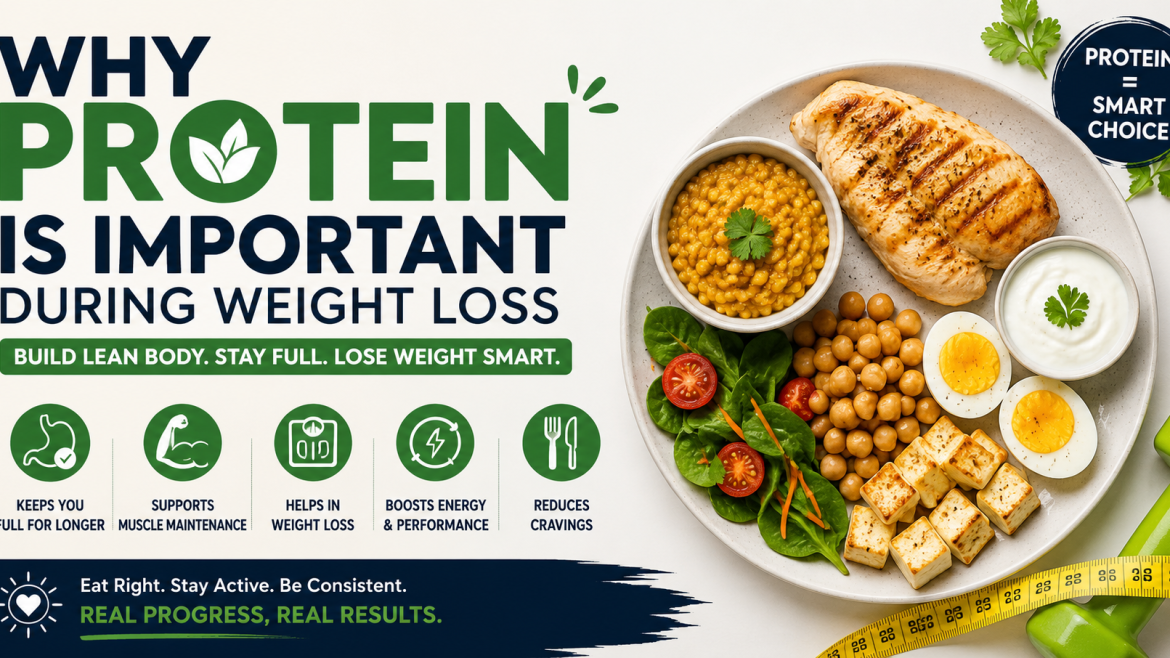
When trying to lose weight, many people focus mainly on reducing calories. But what you eat matters too. Protein is one of the most important nutrients to include in a balanced weight-loss diet because it can help support muscle, improve fullness, and make healthy eating easier to maintain.
Whether you prefer dal, paneer, eggs, curd, chicken, fish, soy, or other protein-rich foods, including enough protein in your meals can be an important part of a sustainable weight-management plan.
1. Protein Helps You Feel Fuller
One of the biggest challenges during weight loss is hunger. If your meals are low in protein, you may feel hungry again soon after eating.
Protein can help increase feelings of fullness, which may make it easier to manage portions and avoid unnecessary snacking.
Try this: Instead of having a meal made mostly of carbohydrates, add a protein source such as dal, curd, paneer, eggs, beans, or tofu.
2. Protein Helps Support Muscle During Weight Loss
When you lose weight, the goal is generally to reduce excess body fat while maintaining as much lean muscle as possible.
Adequate protein, combined with appropriate physical activity—especially resistance training—can help support muscle maintenance during a calorie-controlled diet.
This is one reason weight loss should not be viewed only as a number on the weighing scale.
3. Protein Can Make Your Meals More Satisfying
A balanced meal containing protein, fibre-rich foods, and appropriate portions of carbohydrates and healthy fats can keep you satisfied for longer.
For example, instead of having only roti and vegetables, you could include dal, paneer, curd, eggs, chicken, fish, tofu, or another suitable protein source.
The goal is not to remove carbohydrates. It is to create a more balanced plate.
4. Protein Supports an Active Lifestyle
Regular physical activity is an important part of healthy weight management. Protein provides amino acids that your body needs for normal muscle maintenance and repair.
If you exercise regularly, getting adequate protein along with a balanced diet can support your overall nutrition and fitness goals.
5. Protein Can Help Reduce Unplanned Snacking
If you frequently feel hungry between meals, your meals may not be providing enough satiety.
Adding protein to breakfast and other meals may help you stay satisfied and make it easier to follow your eating plan consistently.
For example:
- Breakfast: Eggs + vegetable roti or oats
- Lunch: Roti + dal + vegetables + curd
- Snack: Greek yogurt/curd + fruit
- Dinner: Paneer/tofu/chicken/fish + vegetables + roti
Your ideal meal pattern will depend on your individual nutritional needs.
How Much Protein Do You Need During Weight Loss?
There is no single protein requirement that is perfect for everyone.
Your needs can vary depending on factors such as:
- Age
- Body weight
- Physical activity
- Muscle mass
- Overall diet
- Health conditions
- Fitness goals
Instead of randomly taking high-protein supplements, focus first on getting protein from a variety of nutritious foods.
If you have kidney disease, another medical condition, or specific dietary requirements, speak with your doctor or qualified nutrition professional before significantly increasing your protein intake.
Best Indian Protein Sources for Weight Loss
You don’t need expensive foods to add protein to your diet. Many everyday Indian foods can contribute protein to your meals.
Vegetarian Options
- Dal
- Rajma
- Chole
- Paneer
- Tofu
- Soy
- Curd
- Greek yogurt
- Milk
- Beans
Non-Vegetarian Options
- Eggs
- Chicken
- Fish
- Lean meat
Combining different protein sources throughout the day can help you build a more balanced diet.
Common Protein Mistakes During Weight Loss
Relying Only on Protein Shakes
Protein shakes can be convenient, but they are not essential for everyone. Whole foods can provide protein along with other nutrients.
Eating Protein but Ignoring Overall Calories
Protein is important, but eating excessive calories from any food can make weight management more difficult.
Eating Too Much Processed Protein
Some packaged high-protein foods can also contain significant amounts of sugar, fat, sodium, or calories. Always check the nutrition label.
Forgetting Plant-Based Protein
Vegetarians can get protein from dal, beans, chickpeas, soy, tofu, paneer, curd, and other foods.
Final Takeaway
Protein is an important part of a healthy weight-loss diet. It can help you feel satisfied, support muscle maintenance, and make balanced meals easier to build.
You don’t need to eliminate roti, rice, or other carbohydrates to increase your protein intake.
Instead, focus on creating balanced meals with protein + vegetables/fibre-rich foods + appropriate carbohydrates + healthy fats.
Small, sustainable changes are more useful than extreme dieting when it comes to long-term weight management.
Disclaimer: This article is for general educational purposes and does not replace individualized medical or nutrition advice. If you have a medical condition or specific dietary needs, consult a qualified healthcare professional before making major changes to your diet.