

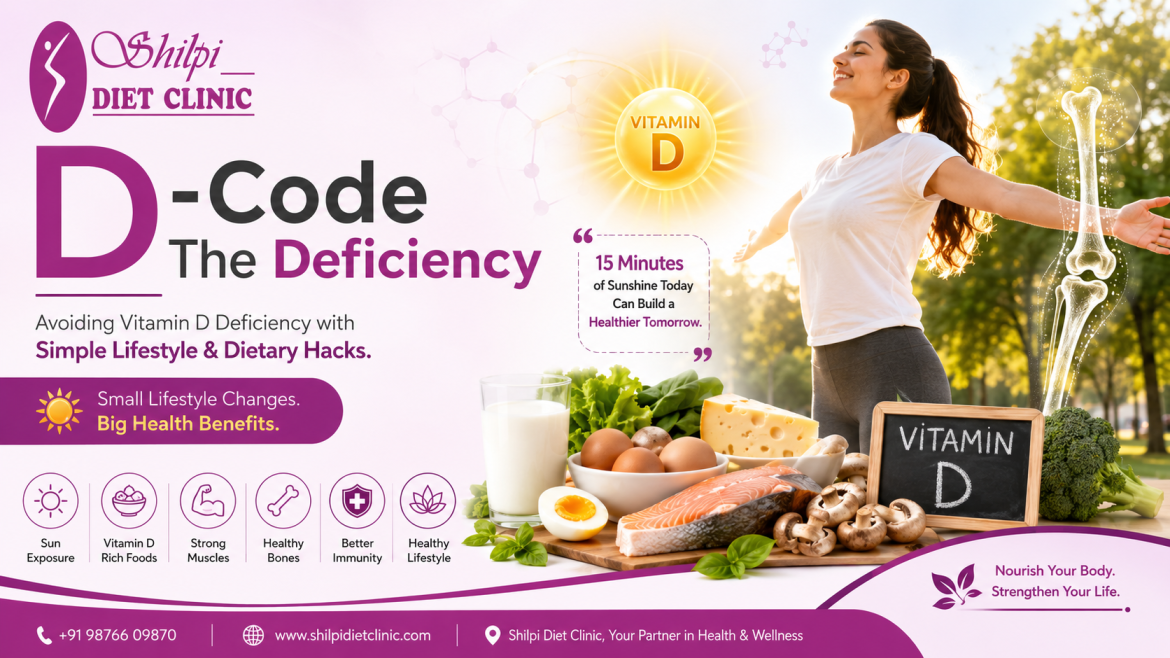
Vitamin D is often called the “Sunshine Vitamin” because our bodies naturally produce it when our skin is exposed to sunlight. Despite living in a country with abundant sunshine, Vitamin D deficiency has become increasingly common due to indoor lifestyles, long working hours, pollution, and inadequate dietary intake.
Vitamin D plays a vital role in maintaining strong bones, supporting immunity, improving muscle function, and promoting overall health. A deficiency can affect people of all ages and may lead to fatigue, frequent illnesses, muscle weakness, and bone-related problems.
The good news is that preventing Vitamin D deficiency doesn’t require complicated treatments. With a few simple lifestyle changes and healthy dietary habits, you can maintain optimal Vitamin D levels naturally.
What Is Vitamin D?
Vitamin D is a fat-soluble vitamin that helps the body absorb calcium and phosphorus, two essential minerals required for healthy bones and teeth.
It also supports:
- Strong bones and joints
- Healthy immune function
- Muscle strength
- Heart health
- Brain function
- Mood regulation
Maintaining adequate Vitamin D levels contributes to overall physical and mental well-being.
Signs and Symptoms of Vitamin D Deficiency
Many people are unaware they have low Vitamin D because the symptoms often develop gradually.
Common signs include:
- Persistent tiredness and fatigue
- Muscle weakness
- Bone or back pain
- Joint discomfort
- Frequent infections
- Hair fall
- Low mood or depression
- Slow wound healing
If these symptoms persist, consulting a healthcare professional and getting your Vitamin D levels checked is recommended.
Why Is Vitamin D Deficiency So Common?
Several lifestyle factors contribute to Vitamin D deficiency, including:
- Spending most of the day indoors
- Limited exposure to sunlight
- Regular use of sunscreen during all outdoor activities
- Air pollution reducing UVB exposure
- Sedentary lifestyle
- Poor dietary intake
- Ageing, which reduces the skin’s ability to produce Vitamin D
People with obesity, older adults, pregnant women, and individuals with certain medical conditions may also have a higher risk of deficiency.
Simple Lifestyle Hacks to Prevent Vitamin D Deficiency
1. Get Regular Sunlight
Natural sunlight is the best source of Vitamin D.
Try to spend 15–30 minutes in the morning or late afternoon sun several times a week, exposing your arms, face, and legs whenever possible.
The required duration varies depending on skin tone, season, and location.
2. Stay Physically Active
Regular outdoor activities help increase sunlight exposure while improving bone strength and muscle health.
Good options include:
- Walking
- Cycling
- Jogging
- Yoga in open spaces
- Gardening
Combining physical activity with sunlight offers multiple health benefits.
3. Maintain a Healthy Body Weight
Research suggests that excess body fat may reduce the availability of Vitamin D in the body.
Following a balanced diet and staying physically active can support healthy Vitamin D levels while improving overall wellness.
Include Vitamin D-Rich Foods in Your Diet
Although sunlight remains the primary source, certain foods can also help improve Vitamin D intake.
Include foods such as:
- Fatty fish (Salmon, Sardines, Mackerel)
- Egg yolks
- Fortified milk
- Fortified yogurt
- Fortified breakfast cereals
- Mushrooms exposed to sunlight
- Cheese (in moderation)
Pairing Vitamin D-rich foods with healthy fats can improve absorption.
Don’t Forget Calcium
Vitamin D and calcium work together to maintain strong bones.
Good calcium sources include:
- Milk and dairy products
- Paneer
- Yogurt
- Sesame seeds
- Ragi
- Green leafy vegetables
- Almonds
A balanced diet containing both nutrients supports better bone health.
Should You Take Vitamin D Supplements?
Vitamin D supplements can be beneficial for individuals diagnosed with a deficiency or those who are unable to meet their requirements through sunlight and diet.
However, supplements should only be taken under the guidance of a qualified healthcare professional, as excessive intake can also cause health problems.
Self-medication is not recommended.
Healthy Habits for Better Vitamin D Levels
Simple daily habits can make a significant difference:
- Spend time outdoors regularly.
- Eat a balanced diet rich in Vitamin D and calcium.
- Stay physically active.
- Maintain a healthy body weight.
- Get regular health check-ups if you’re at risk of deficiency.
- Follow medical advice regarding supplementation when needed.
Consistency is the key to maintaining healthy Vitamin D levels.
Conclusion
Vitamin D is essential for strong bones, a healthy immune system, muscle function, and overall well-being. Fortunately, preventing deficiency doesn’t have to be complicated.
A combination of regular sunlight exposure, nutritious food choices, an active lifestyle, and professional medical guidance can help you maintain optimal Vitamin D levels throughout the year.
Remember: Small daily habits can make a big difference in protecting your long-term health. Start today by stepping into the sunshine, eating nutrient-rich foods, and taking care of your body—one healthy choice at a time.