

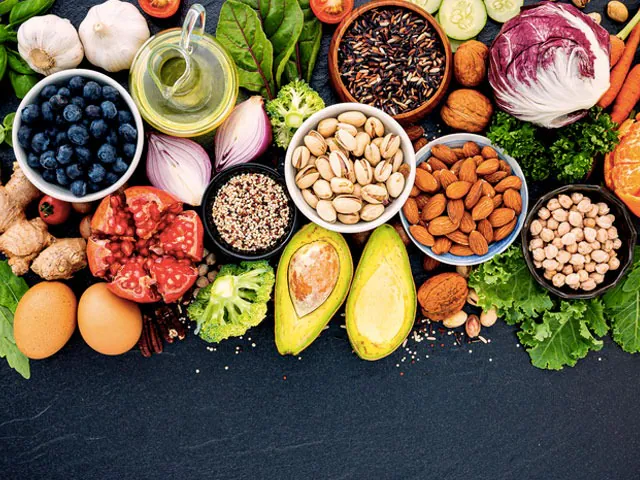
Carbohydrates are an important source of energy, while protein plays a key role in maintaining and repairing body tissues, including muscle. Instead of viewing protein and carbohydrates as competing nutrients, combining them can help create a more balanced and satisfying meal.
This is particularly useful when planning meals for weight management, diabetes, active lifestyles, and overall healthy eating.
What Happens When You Eat Carbohydrates?
Carbohydrate-containing foods are broken down into glucose during digestion. Glucose enters the bloodstream and is used by the body for energy.
Common carbohydrate foods include:
- Roti
- Rice
- Bread
- Oats
- Potatoes
- Fruit
- Cereals
- Millets
- Legumes
Different carbohydrate foods can affect blood glucose differently depending on their fibre content, processing, portion size, preparation, and what else is eaten with them.
Why Add Protein to Carbohydrates?
Protein helps create a more nutritionally balanced meal and can increase satiety compared with eating some carbohydrate-rich foods alone.
For example:
Instead of: Toast alone
Try: Toast + eggs
Instead of: Fruit alone
Try: Fruit + plain curd
Instead of: Rice alone
Try: Rice + dal + vegetables
The goal isn’t to remove carbohydrates. It is to build meals that contain a useful combination of nutrients.
1. Protein Can Help You Feel Fuller
Protein is generally more satiating than many highly refined carbohydrate foods.
If your breakfast consists only of sweet cereal, biscuits, or toast, you may find yourself hungry again relatively quickly.
Adding foods such as eggs, paneer, curd, dal, tofu, or another protein source can make the meal more satisfying.
2. Mixed Meals Can Affect the Glucose Response
Eating carbohydrates as part of a mixed meal containing protein, fibre, and fat can alter digestion and the post-meal glucose response compared with consuming some carbohydrate foods alone.
However, this does not mean protein cancels out carbohydrates or prevents a rise in blood glucose.
The amount and type of carbohydrate remain particularly important for people with diabetes.
3. Protein Supports Muscle Maintenance
Protein provides amino acids needed for muscle maintenance and repair.
This becomes especially important during:
- Weight loss
- Strength training
- Healthy aging
- Menopause
- Recovery from exercise
Combining adequate protein with regular resistance exercise can help support muscle health.
4. Protein and Carbs Can Work Together Around Exercise
Carbohydrates can provide energy for physical activity, while protein supports muscle repair and recovery.
A balanced post-exercise meal might include:
- Curd + fruit
- Eggs + whole-wheat toast
- Paneer + roti
- Dal + rice
- Chicken + rice and vegetables
Your ideal amounts depend on your activity level, goals, and overall diet.
5. It Can Make Weight Management More Sustainable
You don’t necessarily need to eliminate rice, roti, potatoes, or fruit when trying to manage your weight.
Instead, consider combining appropriate carbohydrate portions with protein and vegetables.
For example:
Roti + Paneer + Sabzi
can provide a more balanced combination of nutrients than relying primarily on several rotis without a substantial protein source.
Weight management still depends on your overall energy intake, activity, sleep, and other factors.
Easy Indian Protein + Carb Combinations
Here are some practical combinations:
Roti + Dal
Whole-wheat roti provides carbohydrates, while dal contributes protein, fibre, and carbohydrates.
Rice + Rajma
A familiar combination providing carbohydrates, plant protein, and fibre.
Poha + Sprouts
Adding sprouts can increase the protein and fibre content of a traditional poha breakfast.
Fruit + Plain Curd
A convenient combination for a snack or breakfast.
Roti + Paneer
Paneer adds protein to a carbohydrate-containing meal.
Idli + Sambar
Sambar made with lentils contributes protein and fibre alongside idli.
Toast + Eggs
A simple breakfast combining carbohydrate with high-quality protein.
What About Diabetes?
People with diabetes can benefit from paying attention to total carbohydrate quantity, carbohydrate quality, protein, fibre, and overall meal composition.
A simple plate framework is:
½ plate: Non-starchy vegetables
¼ plate: Protein-rich foods
¼ plate: Carbohydrate foods
Protein should not be viewed as a way to “neutralize” sugar or carbohydrates.
Blood-glucose responses vary between individuals, so personalized advice is particularly important if you use insulin or glucose-lowering medication.
Do You Need Protein With Every Carb?
Not necessarily.
You don’t need to worry about perfectly pairing every piece of fruit or every carbohydrate-containing food.
Instead, focus on making your main meals generally balanced and getting adequate protein throughout the day.
Common Mistakes to Avoid
Removing Carbohydrates Completely
Carbohydrates can be part of a nutritious diet. Extreme restriction is not necessary for most people.
Assuming Protein Cancels Out Carbs
It doesn’t. The amount and type of carbohydrates you eat still matter.
Depending Only on Protein Supplements
Protein powder is not essential for everyone. Dal, dairy, eggs, soy, paneer, fish, and other regular foods can provide protein.
Forgetting Vegetables and Fibre
A balanced meal isn’t simply protein plus carbohydrates. Vegetables, fruits, whole grains, legumes, and other fibre-rich foods remain important.