

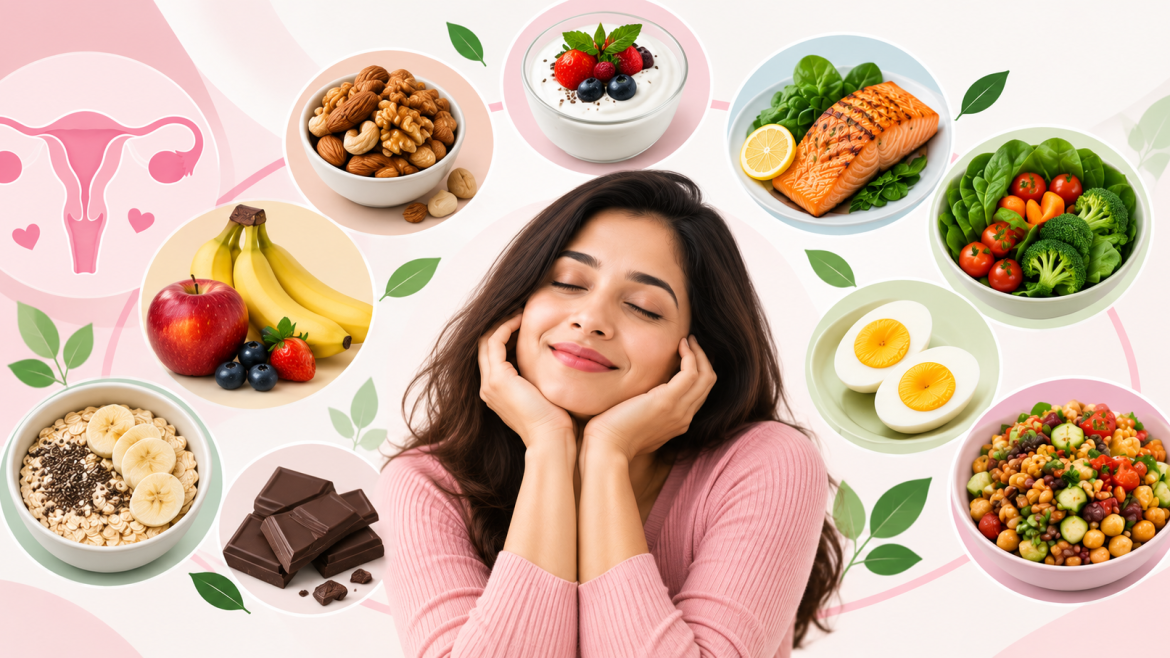
Menopause is a natural stage in a woman’s life, but the hormonal changes that occur during this period can affect body composition, bone health, muscle mass, and overall nutritional needs.
You don’t necessarily need a completely new or restrictive “menopause diet.” Instead, this stage of life is a good time to pay more attention to protein, calcium, vitamin D, fibre, healthy fats, and overall diet quality.
Here are the key dietary changes to consider during and after menopause.
1. Make Protein a Priority
Maintaining muscle becomes increasingly important with age. Changes associated with menopause and aging can contribute to a gradual decline in muscle mass.
Include protein-rich foods throughout the day, such as:
- Dal and legumes
- Paneer
- Tofu and soy
- Curd or Greek yogurt
- Eggs
- Chicken
- Fish
- Milk
- Sprouts
Instead of eating most of your protein at dinner, try including a protein source at breakfast, lunch, and dinner.
2. Pay More Attention to Calcium
Bone health becomes particularly important around and after menopause because declining estrogen levels can accelerate bone loss.
Include calcium-containing foods such as:
- Milk
- Curd
- Paneer
- Calcium-set tofu
- Calcium-fortified foods
- Some green vegetables
Your calcium needs depend on your age, diet, health status, and other individual factors.
3. Don’t Forget Vitamin D
Vitamin D helps your body absorb calcium and supports normal bone and muscle function.
Food sources can include:
- Fatty fish
- Egg yolks
- Vitamin D-fortified foods
Because relatively few foods naturally contain substantial vitamin D, some women may need their vitamin D status assessed and supplementation considered based on professional advice.
Avoid taking high-dose vitamin D supplements without appropriate guidance.
4. Increase Fibre-Rich Foods
Fibre supports digestive health and can help make meals more satisfying.
Good sources include:
- Vegetables
- Fruits
- Whole grains
- Oats
- Dal
- Beans
- Chickpeas
- Nuts
- Seeds
Try to include vegetables and other fibre-rich foods throughout the day rather than depending on supplements.
5. Choose Healthy Fats
Fat does not need to be eliminated during menopause.
Include appropriate amounts of unsaturated fats from foods such as:
- Nuts
- Seeds
- Walnuts
- Flaxseeds
- Chia seeds
- Fish
- Suitable vegetable oils
Remember that fats are energy-dense, so portion size still matters.
6. You Don’t Need to Stop Eating Carbohydrates
Roti and rice do not automatically need to disappear from your diet during menopause.
Instead, focus on the quality, quantity, and overall balance of your meals.
A simple Indian plate could include:
½ plate vegetables + ¼ protein-rich foods + ¼ roti/rice or other grains
The exact proportions will vary according to your nutritional and energy needs.
7. Be Mindful of Added Sugar and Highly Processed Foods
You don’t need to completely ban sweets or your favourite foods.
However, regularly consuming large amounts of sugary drinks, sweets, highly processed snacks, and fried foods can make it harder to maintain an overall nutritious diet.
Choose whole and minimally processed foods more often while allowing flexibility.
8. Stay Hydrated
Adequate hydration remains important during menopause.
Keep water easily available throughout the day. If you experience hot flashes or sweat frequently, paying attention to hydration may be particularly helpful.
Some women find that caffeine, alcohol, or spicy foods affect their hot flashes or sleep. Individual responses vary, so observe your own symptoms rather than automatically eliminating these foods.
9. Combine Nutrition With Strength Training
Diet alone cannot maintain muscle and bone health.
Regular resistance and weight-bearing activities can complement good nutrition.
Depending on your health and fitness level, these may include:
- Strength training
- Resistance-band exercises
- Walking
- Stair climbing
- Bodyweight exercises
If you are new to exercise or have osteoporosis, joint problems, or another medical condition, seek appropriate professional advice before starting a new exercise program.
Simple Indian Menopause Meal Example
Breakfast
Moong dal chilla + curd + fruit
Mid-Morning
Fruit + small portion of nuts
Lunch
Roti + dal + green sabzi + curd + salad
Evening
Roasted chana or sprouts
Dinner
Paneer/tofu/chicken/fish + vegetables + appropriate portion of roti or rice
This is only a general example. Individual requirements vary.
What Should You Limit During Menopause?
Rather than creating a long list of forbidden foods, consider reducing excessive consumption of:
- Added sugars
- Sugary beverages
- Highly processed foods
- Deep-fried foods
- Excessive sodium
- Excessive alcohol
A sustainable diet should still allow flexibility and enjoyment.
F