

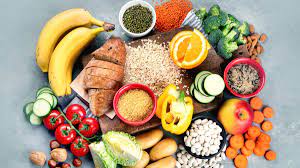
Managing diabetes does not mean you have to stop eating your favourite Indian foods. A practical approach is to focus on portion size, food quality, protein, fibre, and overall meal balance.
One simple method is the diabetes plate method, which can help you create balanced meals without complicated calorie counting.
The Simple Diabetes Plate Method
Imagine dividing your plate into three sections:
½ Plate — Non-Starchy Vegetables
¼ Plate — Protein-Rich Foods
¼ Plate — Carbohydrate Foods
Add water or another unsweetened beverage alongside your meal.
This approach can make portion planning easier, although individual carbohydrate requirements can vary.
1. Fill Half Your Plate With Non-Starchy Vegetables
Vegetables provide fibre, vitamins, minerals, and relatively few carbohydrates compared with foods such as rice, roti, or potatoes.
Good Indian options include:
- Palak
- Bhindi
- Lauki
- Tori
- Gobi
- Cabbage
- Beans
- Capsicum
- Broccoli
- Cucumber
- Tomato
Try to include different colours and varieties of vegetables throughout the week.
2. Fill One-Quarter With Protein
Protein can help make meals more satisfying and supports muscle maintenance.
Vegetarian options:
- Dal
- Paneer
- Tofu
- Soy
- Sprouts
- Beans
- Plain curd
Non-vegetarian options:
- Eggs
- Chicken
- Fish
- Lean meat
Remember that foods such as dal, beans, and chickpeas contain carbohydrates as well as protein, so portions still matter.
3. Keep Carbohydrates to About One-Quarter of the Plate
Carbohydrate foods have the most direct effect on blood glucose, but they do not necessarily need to be eliminated.
Depending on your individual needs, options may include:
- Whole-wheat roti
- Rice
- Brown rice
- Oats
- Millets
- Other whole grains
The amount you need can vary according to your blood glucose levels, medication, activity, and individual nutrition plan.
4. Add Healthy Fats in Small Amounts
Healthy fats can be included as part of a balanced diet.
Sources include:
- Nuts
- Seeds
- Peanuts
- Flaxseeds
- Chia seeds
- Suitable vegetable oils
Because fats are energy-dense, small portions are generally enough.
What Does a Diabetic-Friendly Indian Plate Look Like?
A simple example could be:
½ plate: Bhindi, palak, beans, cauliflower or mixed vegetables
¼ plate: Paneer, tofu, dal, eggs, chicken or fish
¼ plate: Roti or an appropriate portion of rice
Side: Plain curd and/or salad as appropriate
Drink: Water or an unsweetened beverage
The exact portions should be personalized according to your individual needs.
Do You Have to Stop Eating Roti?
No.
Whole-wheat roti can be included in many diabetes eating plans. However, eating several large rotis can still provide a significant amount of carbohydrate.
Instead of focusing only on whether roti is “allowed,” pay attention to:
Portion + Protein + Vegetables + Overall Carbohydrate Intake
Can You Eat Rice With Diabetes?
Yes. Rice does not automatically need to be eliminated.
Portion size and the rest of the meal matter. Instead of eating a large plate dominated by rice, consider a smaller portion alongside vegetables and a protein-rich food.
Some higher-fibre grain options may also be useful depending on your preferences and individual glucose response.
Don’t Forget Fruit
People with diabetes can generally include whole fruit as part of an individualized eating plan.
Whole fruit is usually preferable to fruit juice because it retains fibre.
Options can include:
- Apple
- Guava
- Orange
- Pear
- Papaya
- Berries
Portion size and timing may need to be individualized, especially if you take insulin or certain glucose-lowering medicines.
What About Fruit Juice?
Fruit juice can deliver carbohydrates quickly and usually contains less fibre than whole fruit.
For routine hydration, water and other unsweetened beverages are generally better choices.
Common Plate-Building Mistakes
Too Much Roti or Rice
Even when the rest of the meal is healthy, a very large carbohydrate portion can affect blood glucose.
Not Enough Vegetables
If most of your plate contains roti, rice, or potatoes, try increasing the proportion of non-starchy vegetables.
Too Little Protein
Including an appropriate protein source can make your meal more balanced and satisfying.
Drinking Sugary Beverages
Soft drinks, sweetened juices, sweet tea, and other sugary beverages can add significant carbohydrates without making you feel very full.
Example Diabetes-Friendly Indian Meals
Breakfast
Moong dal chilla + vegetables + plain curd
Lunch
Whole-wheat roti + dal + mixed vegetables + salad
Snack
Roasted chana + a suitable portion of whole fruit
Dinner
Paneer/tofu/chicken/fish + vegetables + appropriate portion of roti or rice
These are general examples rather than personalized meal prescriptions.