

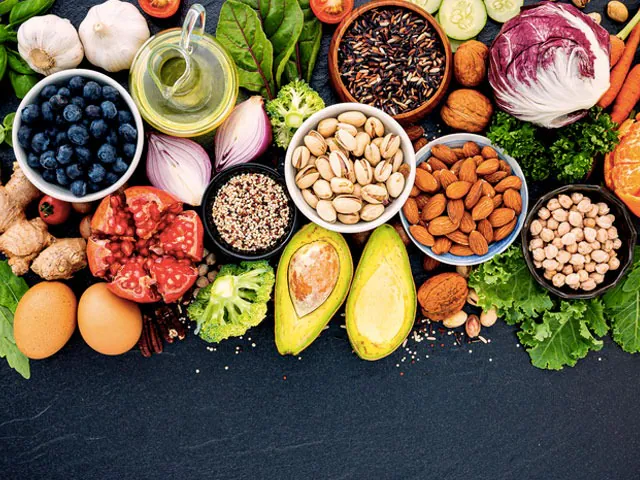
Breakfast is often called the most important meal of the day, especially for people living with Type 2 Diabetes. A healthy breakfast helps replenish energy after an overnight fast, supports stable blood sugar levels, and reduces the likelihood of overeating later in the day. Unfortunately, many people skip breakfast or choose sugary cereals, white bread, or processed foods that cause rapid spikes in blood glucose.
A diabetes-friendly breakfast should include a balance of protein, fibre, healthy fats, and complex carbohydrates. These nutrients work together to slow digestion, improve satiety, and provide sustained energy throughout the morning.
The good news is that you don’t need complicated recipes or expensive ingredients. Simple, nutritious meals made from everyday foods can help you manage diabetes while keeping you full and energized.
Why Breakfast Matters for Diabetes
Eating a healthy breakfast offers several benefits for people with diabetes.
It helps:
- Maintain stable blood sugar levels.
- Reduce mid-morning hunger.
- Improve energy and concentration.
- Prevent overeating later in the day.
- Support healthy weight management.
- Improve insulin sensitivity.
Skipping breakfast can lead to unstable blood sugar levels, increased cravings for unhealthy foods, and reduced energy throughout the day.
What Makes a Healthy Diabetes-Friendly Breakfast?
A balanced breakfast should include:
- Lean protein
- High-fibre carbohydrates
- Healthy fats
- Fresh vegetables or fruits (in moderation)
This combination slows the absorption of glucose, supports better blood sugar control, and provides long-lasting energy.
Best Diabetes-Friendly Breakfast Ideas
1. Vegetable Oats Upma
Oats are rich in soluble fibre, which helps slow glucose absorption and keeps you full for longer.
Add vegetables like carrots, peas, beans, and capsicum for extra fibre, vitamins, and minerals.
2. Moong Dal Chilla
Moong dal chilla is high in protein and fibre, making it an excellent breakfast option.
Serve it with mint chutney or plain curd for additional nutrition.
3. Besan Chilla with Vegetables
Besan (gram flour) is naturally rich in protein and has a lower glycaemic index than refined flour.
Add onions, tomatoes, spinach, coriander, and capsicum to make it even more nutritious.
4. Boiled Eggs with Whole Wheat Toast
Eggs provide high-quality protein, while whole wheat bread supplies fibre for sustained energy.
Pair your meal with cucumber or tomato slices for a balanced breakfast.
5. Greek Yogurt with Nuts and Seeds
Unsweetened Greek yogurt is rich in protein and supports digestive health.
Top it with almonds, walnuts, chia seeds, or flaxseeds for healthy fats and additional fibre.
6. Vegetable Poha
Poha prepared with peas, carrots, onions, and peanuts provides a balanced combination of carbohydrates, protein, healthy fats, and fibre.
Keep portion sizes moderate to maintain healthy blood sugar levels.
7. Paneer Sandwich
A whole wheat sandwich filled with grilled paneer and fresh vegetables makes a satisfying breakfast that is rich in protein, fibre, and essential nutrients.
8. Vegetable Dalia
Broken wheat (dalia) cooked with mixed vegetables provides slow-releasing carbohydrates, supports digestion, and keeps you full for longer.
Foods to Avoid at Breakfast
Some breakfast foods can cause rapid increases in blood sugar levels.
Try to limit:
- Sugary breakfast cereals
- White bread
- Sweet bakery products
- Cakes
- Pastries
- Doughnuts
- Sweetened fruit juices
- Flavoured yogurts with added sugar
Instead, choose whole, minimally processed foods that provide better nutrition and sustained energy.
Healthy Breakfast Tips
Follow these simple habits every morning:
- Eat breakfast within 1–2 hours of waking up.
- Include protein in every breakfast.
- Choose whole grains instead of refined grains.
- Add vegetables whenever possible.
- Drink plenty of water.
- Avoid sugary beverages.
- Watch your portion sizes.
Consistency is one of the most important factors in maintaining healthy blood sugar levels.
Stay Active After Breakfast
A short walk after breakfast can help improve blood sugar control and support healthy digestion.
Even 15–20 minutes of walking after meals may help reduce post-meal blood glucose levels while improving overall fitness.
Why Personalized Nutrition Matters
Every person living with diabetes has different nutritional requirements depending on age, medications, activity level, lifestyle, and overall health.
A personalized diet plan helps you:
- Select appropriate breakfast options.
- Control portion sizes.
- Balance carbohydrates and protein.
- Meet your nutritional requirements.
- Maintain healthy blood sugar levels.
Working with a qualified dietitian can make diabetes management easier, safer, and more effective.
Conclusion
A healthy breakfast is one of the best ways to start your day and maintain stable blood sugar levels. By choosing meals rich in protein, fibre, healthy fats, and whole grains while limiting processed foods, you can improve your energy, reduce cravings, and support long-term diabetes management.
Remember, a balanced breakfast isn’t just about filling your stomach—it’s about nourishing your body, supporting healthy blood sugar levels, and giving yourself the energy to make the most of every day.