

Introduction
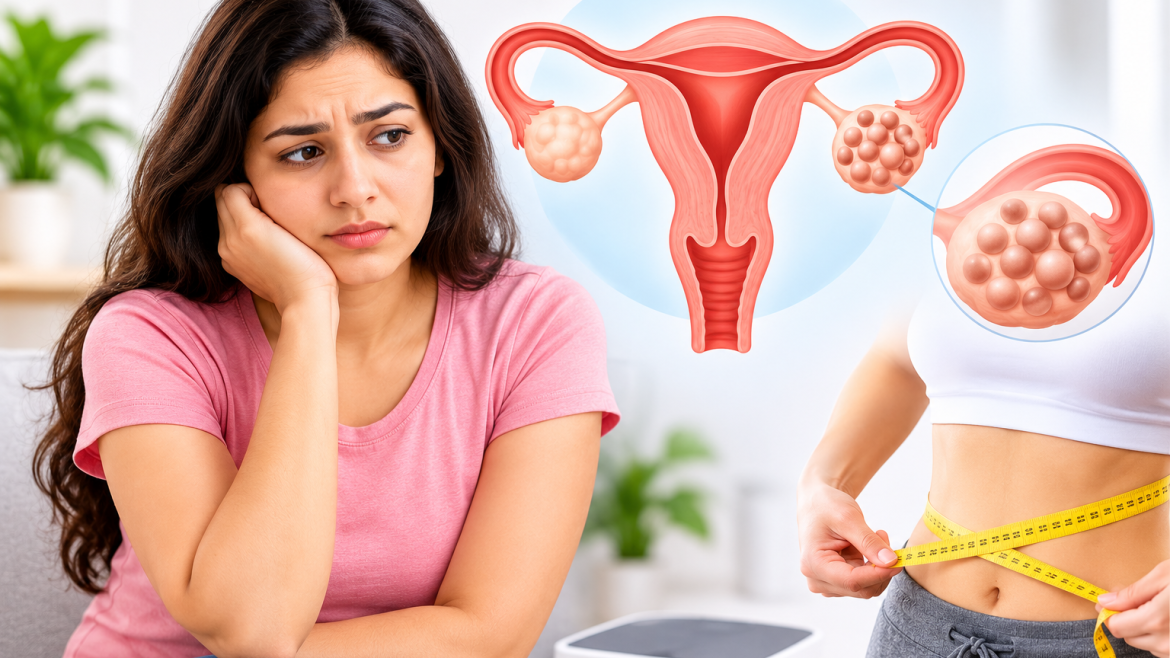
Polycystic Ovary Syndrome (PCOS) is a common hormonal condition that can affect menstrual cycles, ovulation, and metabolic health.
Some people with PCOS notice changes in body composition or fat distribution, including around the abdominal area. This has led to questions about whether PCOS causes belly fat and why these changes may happen.
The relationship is complex. Hormones, insulin resistance, genetics, lifestyle factors, and individual health differences can all contribute. Not everyone with PCOS experiences the same changes, and body shape alone cannot indicate whether someone has PCOS.
1. What Is the Connection Between PCOS and Abdominal Fat?
PCOS is associated with changes in how the body regulates hormones and metabolism.
Some people with PCOS experience differences in fat distribution, including greater abdominal fat accumulation. However, this is not universal, and PCOS can affect people of different body sizes.
It is important to understand that abdominal fat is only one possible aspect of metabolic health. It does not tell the whole story about a person’s health.
2. How Insulin Resistance May Be Involved
Insulin is a hormone that helps the body’s cells use glucose for energy.
Some people with PCOS experience insulin resistance, which means their cells respond less effectively to insulin. The body may then produce more insulin to help regulate blood glucose.
Insulin resistance is commonly associated with PCOS and may influence metabolic processes, including how the body stores and uses energy.
However, not everyone with PCOS has insulin resistance, and it cannot be identified by appearance alone.
3. Hormonal Changes and PCOS
PCOS involves changes in reproductive hormones, including androgen levels and ovulation patterns.
These hormonal changes may interact with metabolic processes. Researchers continue to study how hormones, insulin resistance, and fat distribution influence one another.
PCOS is not simply a condition related to body weight. It is a complex health condition that requires an individual approach.
4. Does Everyone With PCOS Develop Belly Fat?
No. PCOS affects people differently.
Some people notice changes in abdominal fat distribution, while others do not. Some experience irregular periods, acne, or increased hair growth without noticeable changes in body composition.
A person can have PCOS at any body size. Appearance is not a reliable way to diagnose or rule out the condition.
5. Other Factors That May Influence Abdominal Fat Distribution
Several factors can influence how the body stores fat and regulates metabolism.
Genetics: Family history can influence body composition and metabolic health.
Sleep: Sleep quality plays an important role in hormonal regulation and general health.
Stress: Ongoing stress can affect sleep, appetite, and other body processes.
Age and Development: Body composition naturally changes throughout different stages of life.
Metabolic Health: Insulin sensitivity and other metabolic factors may influence how the body uses and stores energy.
These factors vary from person to person and should be considered in the context of overall health.
6. How to Support Overall Health With PCOS
The goal of PCOS care should be supporting health and well-being, not trying to achieve a particular body shape.
Helpful habits may include:
- Eating regular, balanced meals.
- Including a variety of fruits, vegetables, whole grains, and protein-containing foods.
- Getting enough sleep.
- Enjoying regular physical activity that feels comfortable and sustainable.
- Finding healthy ways to manage stress.
- Attending recommended healthcare appointments.
There is no single diet or exercise routine that works for everyone with PCOS. Avoid extreme food restrictions or excessive exercise.
7. When Should You Speak With a Healthcare Professional?
Consider discussing your symptoms with a qualified healthcare professional if you experience:
- Persistent irregular menstrual cycles.
- Unusual or increasing facial or body hair.
- Ongoing acne or scalp hair changes.
- Unusual tiredness or other persistent health concerns.
- Questions about blood glucose or metabolic health.
A healthcare professional may review your symptoms, medical history, and appropriate tests. They can also help determine whether PCOS or another condition may be involved.
8. Common Myths About PCOS and Belly Fat
Myth 1: Everyone with PCOS has belly fat.
Fact: PCOS affects people differently, and changes in abdominal fat are not experienced by everyone.
Myth 2: Belly fat is required to diagnose PCOS.
Fact: Body shape is not a diagnostic criterion for PCOS.
Myth 3: PCOS only affects people with a higher body weight.
Fact: PCOS can affect people across different body sizes.
Myth 4: Changing body size is the only way to manage PCOS.
Fact: PCOS care can involve menstrual health, metabolic monitoring, symptom management, and overall well-being.