

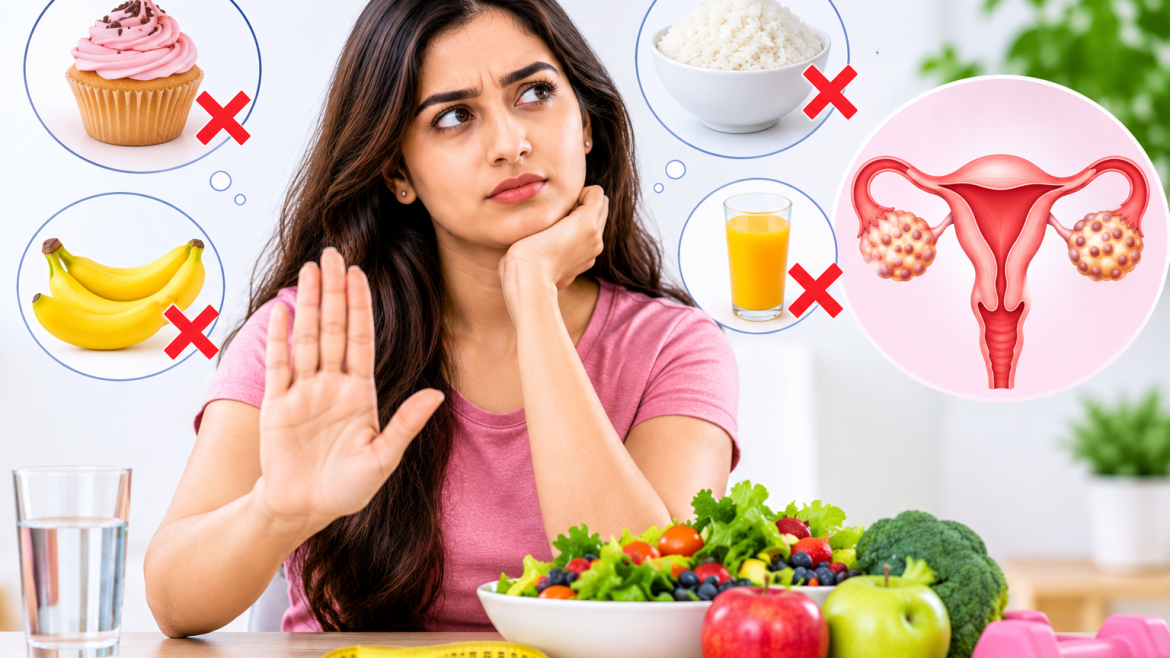
Introduction
Polycystic Ovary Syndrome (PCOS) is a hormonal condition that can affect menstrual cycles, skin, hair growth, and the body’s response to insulin. Nutrition is often discussed as part of PCOS management, but online advice can sometimes create unnecessary confusion.
You may have heard that people with PCOS should completely avoid carbohydrates, stop eating dairy, or follow a strict diet. However, many of these claims are oversimplified.
A balanced eating pattern can support general health, but there is no universal PCOS diet. Let’s look at some common myths and understand what you should know instead.
1. Myth: Everyone With PCOS Must Avoid Carbohydrates
Fact: Carbohydrates do not need to be completely eliminated.
Carbohydrates are an important source of energy. Foods such as rice, whole-wheat roti, oats, fruits, beans, and potatoes can all be part of a balanced eating pattern.
The type of carbohydrate, portion, and overall meal composition can matter. Pairing carbohydrate-rich foods with protein, fibre, and healthy fats can make meals more balanced.
Instead of removing an entire food group, focus on variety and suitable food choices.
2. Myth: People With PCOS Should Never Eat Sugar
Fact: There is no need to treat every sweet food as forbidden.
PCOS may be associated with insulin resistance in some individuals, but that does not mean all sugar-containing foods must be removed.
It can be helpful to limit frequent consumption of sugary drinks and foods with large amounts of added sugar. However, naturally occurring sugars in whole fruits and milk are not the same as added sugars.
A flexible eating pattern is generally more sustainable than strict food restrictions.
3. Myth: Dairy Products Are Always Bad for PCOS
Fact: Dairy affects individuals differently.
There is no strong universal evidence that everyone with PCOS must avoid milk, curd, or other dairy products.
Dairy foods can provide nutrients such as protein and calcium. If a person has a dairy allergy, intolerance, or another medical reason to avoid dairy, suitable alternatives can be discussed with a healthcare professional.
Do not remove dairy simply because an online post says it is harmful for PCOS.
4. Myth: Gluten Must Be Avoided
Fact: A gluten-free diet is not automatically necessary for PCOS.
Gluten is a protein found in wheat, barley, and rye. People with coeliac disease or certain medical conditions may need to avoid it.
However, PCOS alone does not mean that a person must follow a gluten-free diet.
Whole grains can provide fibre and other nutrients. If you suspect a gluten-related problem, speak with a healthcare professional before making major dietary changes.
5. Myth: Fruits Should Be Avoided Because They Contain Sugar
Fact: Whole fruits can be part of a balanced PCOS-friendly eating pattern.
Fruits provide fibre, vitamins, minerals, and other beneficial nutrients.
Examples include:
- Apples
- Oranges
- Guava
- Berries
- Papaya
- Pears
- Bananas
Whole fruits are generally a better everyday choice than relying on fruit juices because they retain their natural fibre.
There is no need to fear fruit simply because it contains naturally occurring sugar.
6. Myth: One Special PCOS Diet Works for Everyone
Fact: Nutrition needs are individual.
PCOS symptoms, health history, food preferences, activity levels, and nutritional needs can differ from one person to another.
Some people may benefit from changes in meal composition, while others may need support for specific nutritional deficiencies or other health concerns.
A healthcare professional or registered dietitian can help develop an eating approach that suits individual needs.
7. Myth: Skipping Meals Helps Manage PCOS
Fact: Skipping meals is not a requirement for PCOS management.
Some online advice promotes skipping breakfast or following restrictive eating schedules. However, these approaches are not suitable for everyone.
Regular, balanced meals can help provide energy and important nutrients throughout the day.
If meal timing is difficult because of your routine, appetite, or symptoms, a healthcare professional can help you find a practical approach.
8. Myth: Expensive Superfoods Are Necessary
Fact: Everyday foods can provide excellent nutrition.
You do not need expensive powders, imported ingredients, or special products to eat well.
Common foods can contribute to a varied eating pattern:
- Dal and beans
- Seasonal vegetables
- Whole grains
- Eggs, where suitable
- Curd or suitable alternatives
- Nuts and seeds
- Fresh fruits
A variety of accessible foods can support general nutritional needs.
9. Myth: Supplements Can Cure PCOS
Fact: Supplements are not a cure for PCOS.
Some supplements are discussed in PCOS research, but their usefulness, safety, and appropriate dosage can vary.
Taking multiple supplements without professional guidance may cause unwanted effects or interactions with medicines.
If you are considering a supplement, discuss it with your healthcare professional first. Supplements should not replace prescribed treatment or a balanced diet.
10. Myth: Food Alone Can Cure PCOS
Fact: PCOS usually requires an individualized, long-term management approach.
Nutrition can be one part of supporting overall health, but it does not cure PCOS.
Depending on a person’s symptoms and health needs, management may also involve medical treatment, physical activity, sleep support, and regular health monitoring.
A healthcare professional can help determine which options are appropriate.
What Does a Balanced Eating Pattern Look Like With PCOS?
Instead of following strict food rules, focus on including different food groups in meals.
A balanced meal may include:
- Vegetables: Seasonal vegetables, leafy greens, carrots, beans, or other options.
- Protein: Dal, beans, eggs, paneer, tofu, fish, or other suitable sources.
- Fibre-rich carbohydrates: Whole grains, oats, roti, rice, or other preferred foods.
- Healthy fats: Nuts, seeds, and suitable cooking oils.
- Fruits: A variety of whole fruits.
The exact combination depends on personal nutritional needs, preferences, culture, and health circumstances.
Tips for Building a Healthy Relationship With Food
Managing PCOS should not mean feeling guilty about eating.
Here are some helpful reminders:
- Avoid eliminating entire food groups without a medical reason.
- Choose a variety of foods rather than depending on a few so-called superfoods.
- Include different sources of protein and fibre.
- Drink enough water throughout the day.
- Avoid comparing your eating habits with someone else’s PCOS routine.
- Be cautious about extreme diet claims on social media.
- Ask a qualified healthcare professional for advice about individual nutritional needs.
When Should You Seek Professional Advice?
Consider speaking with a healthcare professional or registered dietitian if you:
- Feel confused by conflicting PCOS diet advice.
- Have difficulty planning balanced meals.
- Have concerns about blood glucose or cholesterol.
- Are considering removing major food groups.
- Want to understand whether supplements are appropriate.
- Experience changes in symptoms or have questions about treatment.
Professional guidance can help you make informed decisions without unnecessary restrictions.