

Introduction
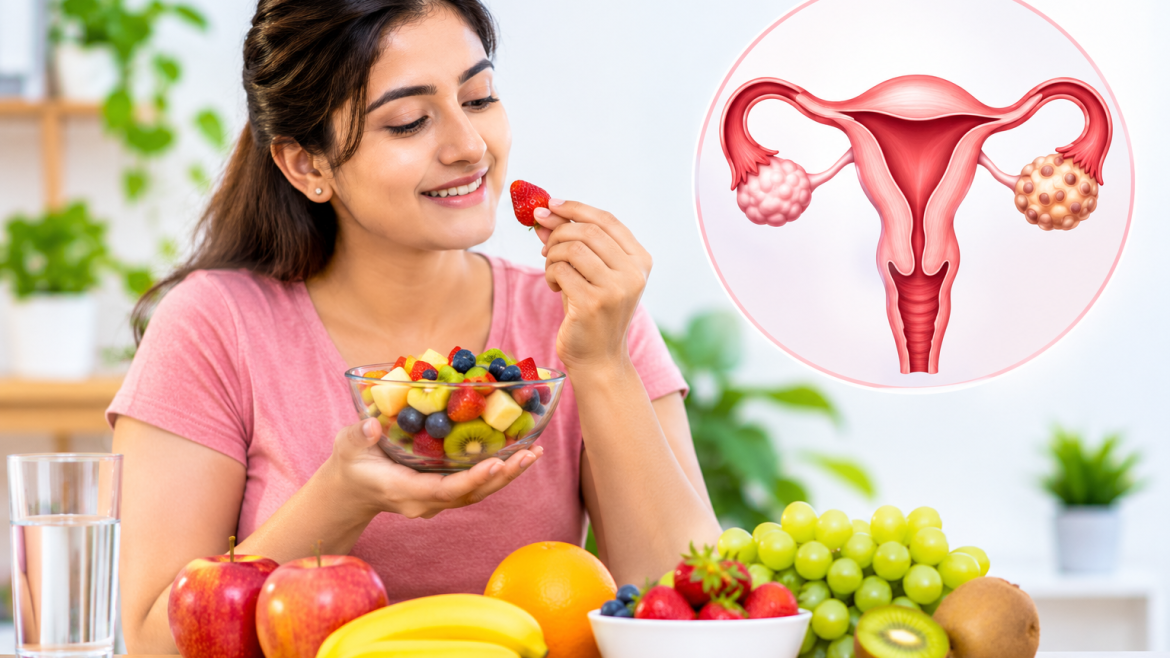
Polycystic Ovary Syndrome (PCOS) is a hormonal condition that can affect menstrual cycles, ovulation, and metabolic health. Nutrition is one part of supporting overall well-being for people living with PCOS.
A common question is whether fruits are safe to eat with PCOS because they contain natural sugar.
The good news is that whole fruits can be included in a balanced eating pattern. They provide fibre, vitamins, minerals, and plant compounds that contribute to general health.
Rather than avoiding fruit, it is more helpful to understand the benefits of different fruits and enjoy a variety of them.
1. Why Fruits Can Be a Helpful Part of a Balanced Diet
Whole fruits provide several nutrients that support everyday health.
Some important benefits include:
- Fibre: Supports digestion and helps contribute to a feeling of fullness.
- Vitamins: Fruits provide nutrients such as vitamin C and folate.
- Minerals: Certain fruits provide potassium and other essential minerals.
- Antioxidants: Colourful fruits contain plant compounds that help protect cells.
- Hydration: Many fruits have a high water content.
These benefits make fruit a useful part of a varied and balanced diet.
2. Which Fruits Can You Include With PCOS?
There is no single list of fruits that everyone with PCOS must eat or avoid. A variety of whole fruits can fit into everyday meals.
Berries
Strawberries, blueberries, raspberries, and blackberries provide fibre and antioxidant plant compounds.
They can be enjoyed with yoghurt, oats, or as a snack.
Apples
Apples contain fibre and vitamin C. They are easy to carry and can be eaten whole as part of a snack.
Oranges
Oranges provide vitamin C, water, and fibre. Eating the whole fruit provides more fibre than drinking its juice.
Guava
Guava is a source of dietary fibre and vitamin C. It can be enjoyed fresh as part of a balanced meal or snack.
Papaya
Papaya provides fibre, vitamin C, and other nutrients. It can be included in a fruit bowl or eaten on its own.
Kiwi
Kiwi contains vitamin C, fibre, and other beneficial plant compounds.
Pears
Pears provide dietary fibre and can be a convenient addition to breakfast or snacks.
3. Does Natural Sugar in Fruit Affect PCOS?
Whole fruits contain naturally occurring sugars, but they also provide fibre, water, and nutrients.
This makes whole fruit different from many sugary drinks and sweets.
For most people, there is no need to eliminate whole fruits simply because they contain natural sugar. Individual nutrition needs can vary, particularly for people who also have diabetes or other metabolic concerns.
A healthcare professional or registered dietitian can provide advice based on individual circumstances.
4. Whole Fruits vs. Fruit Juice
Whole fruits and fruit juices are not nutritionally identical.
Whole fruits contain their natural fibre structure, while juicing removes much of the fibre.
For example:
- Eating a whole orange provides fibre along with its natural sugars.
- Orange juice provides less fibre and can be easier to consume in larger quantities.
Whenever practical, choose whole fruits more often than fruit juice.
5. How to Include Fruits in Everyday Meals
Fruits can be enjoyed in different ways throughout the day.
Some simple ideas include:
Breakfast: Add sliced banana, berries, or apple to oats or yoghurt.
Morning Snack: Enjoy guava, orange, or pear.
Afternoon Snack: Combine fruit with yoghurt or a handful of nuts.
Dessert: Enjoy a fresh fruit bowl with a variety of seasonal fruits.
You do not need special recipes or complicated meal plans to include fruit in your daily routine.
6. Should You Avoid Certain Fruits With PCOS?
There is no universal PCOS rule that requires people to avoid specific whole fruits.
Some people may need to consider individual medical conditions, allergies, food preferences, or blood glucose management needs.
It is also important not to judge fruits only by their sweetness. Nutritional value depends on more than sugar content.
A varied eating pattern is generally more useful than unnecessarily restricting individual fruits.
7. Tips for Balanced Eating With PCOS
Along with enjoying different fruits, consider these general nutrition habits:
- Include vegetables and whole grains in meals.
- Eat a variety of protein-containing foods.
- Include sources of healthy fats.
- Enjoy whole fruits regularly.
- Drink enough water.
- Maintain regular and satisfying meal patterns.
- Choose foods that suit your preferences and nutritional needs.
There is no single PCOS diet that works for everyone. A flexible and balanced approach is more sustainable than strict food restrictions.
8. When Should You Seek Nutrition Advice?
If you have PCOS and are unsure about your food choices, a registered dietitian or healthcare professional can help you understand your nutritional needs.
This is particularly useful if you also have diabetes, blood glucose concerns, food allergies, or other medical conditions.
Personalized guidance can help you build a balanced eating pattern without unnecessary restrictions.