

Introduction
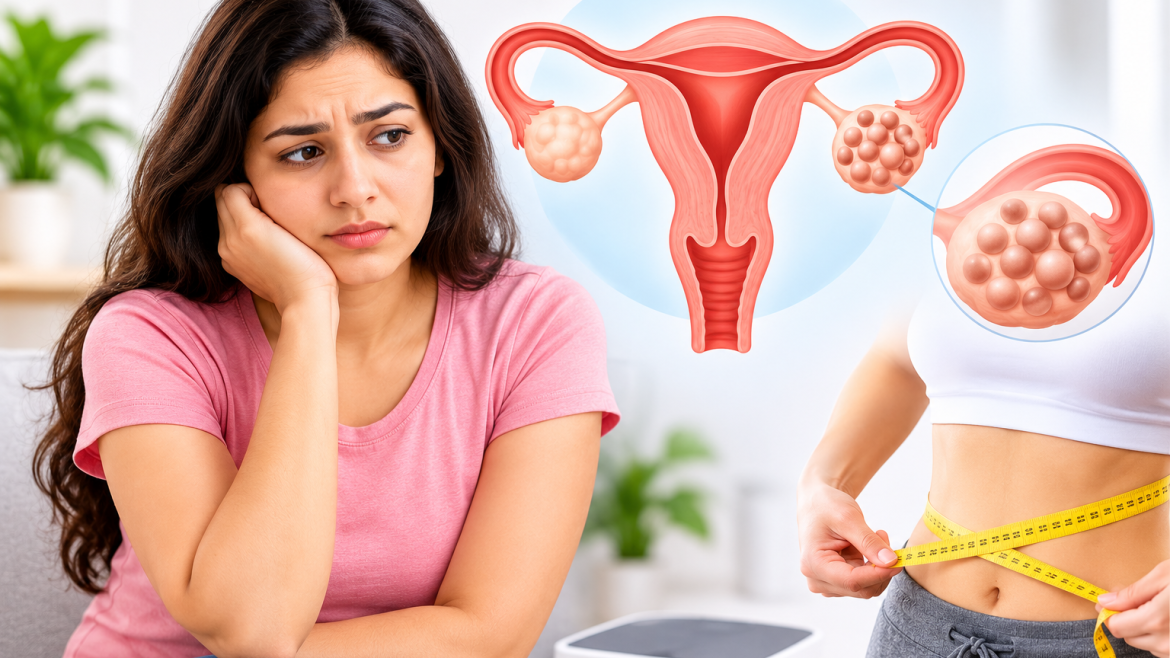
Polycystic Ovary Syndrome (PCOS) is a common hormonal condition that can affect people during their reproductive years. It is often discussed alongside weight gain, which can create the misunderstanding that only people who are overweight can have PCOS.
This is not true. PCOS can affect people with different body types, including those who are not overweight.
Understanding this is important because symptoms should never be dismissed simply because someone’s body weight appears typical.
1. What Is PCOS?
PCOS is a hormonal condition associated with changes in reproductive hormones and ovulation.
It may involve:
- Irregular or unpredictable menstrual cycles.
- Higher levels or effects of androgens (hormones commonly called male-type hormones).
- Acne or increased facial and body hair.
- Changes in ovulation.
- Polycystic-appearing ovaries on an ultrasound in some individuals.
Not everyone experiences the same symptoms. The word “polycystic” can also be misleading because having ovarian cysts is not necessary for a PCOS diagnosis.
2. Can People With a Typical Body Weight Have PCOS?
Yes. PCOS is not defined by body weight.
Some people with PCOS have a higher body weight, while others do not. A person’s appearance or weight alone cannot confirm or rule out the condition.
People who are not overweight may still experience irregular periods, acne, excess facial or body hair, or other hormonal symptoms.
This is why medical evaluation should focus on symptoms, health history, and appropriate investigations rather than appearance.
3. Common Symptoms of PCOS
PCOS symptoms can vary from person to person. Some commonly reported symptoms include:
Irregular Periods: Menstrual cycles may be unpredictable, infrequent, or absent for periods of time.
Acne: Hormonal changes may contribute to persistent acne, particularly around the face, chest, or back.
Increased Hair Growth: Some people notice more facial or body hair than usual.
Scalp Hair Changes: Hair thinning can occur in some individuals.
Ovulation Changes: PCOS can affect how regularly ovulation occurs.
Not everyone with PCOS experiences all these symptoms.
4. Why Weight Is Not the Only Factor
PCOS is a complex condition involving hormonal, reproductive, and metabolic processes.
Insulin resistance can occur in people with PCOS across different body sizes. However, not everyone with PCOS has insulin resistance, and weight alone cannot determine someone’s metabolic health.
Genetics, hormonal regulation, and other biological factors may also contribute to the condition.
5. How Is PCOS Diagnosed?
There is no single test that confirms PCOS in every individual.
A healthcare professional may consider:
- Menstrual and medical history.
- Symptoms related to androgen levels.
- Physical examination, when appropriate.
- Blood tests to assess hormones and rule out other conditions.
- Ultrasound findings, when clinically indicated.
Other conditions can cause similar symptoms, so a healthcare professional needs to consider alternative explanations.
In adolescents, PCOS diagnosis requires particular care because irregular periods and acne can be common during the early years after menstruation begins. Ultrasound findings alone should not be used to diagnose PCOS in adolescents.
6. Why Early Medical Advice Matters
If someone experiences persistent irregular periods, unusual hair growth, ongoing acne, or other concerning changes, discussing them with a healthcare professional can help identify the cause.
A clinician can assess symptoms, explain relevant tests, and discuss suitable care based on the individual’s age and health needs.
Seeking advice is useful even when body weight is within a typical range.
7. Supporting General Health With PCOS
Healthy habits can support overall well-being, whether or not someone has PCOS.
Helpful habits include:
- Eating regular, balanced meals.
- Including a variety of nutritious foods.
- Getting consistent, enjoyable physical activity.
- Maintaining a regular sleep routine.
- Managing stress with healthy coping strategies.
- Attending recommended medical check-ups.
There is no single diet or exercise routine that works for everyone with PCOS. Restrictive eating or trying to change body size is not a substitute for appropriate medical care.
8. Common Myths About PCOS
Myth 1: Only overweight people can have PCOS.
Fact: PCOS can affect people across different body sizes.
Myth 2: Regular-looking body weight rules out PCOS.
Fact: Body weight alone cannot confirm or exclude the condition.
Myth 3: Everyone with PCOS has ovarian cysts.
Fact: Ovarian cysts are not required for a PCOS diagnosis.
Myth 4: Everyone with PCOS experiences the same symptoms.
Fact: Symptoms and their severity vary considerably.